
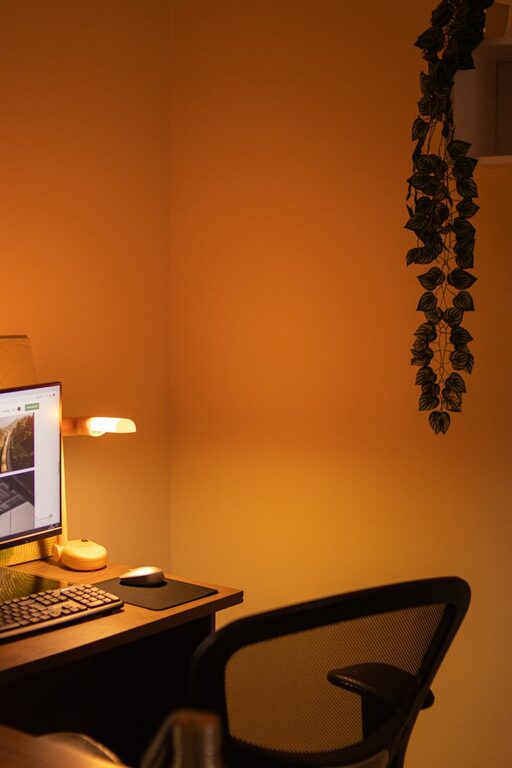
Creating a cozy and inviting home office is essential for making your work-from-home experience enjoyable and productive. Whether you are spending a few hours a day or full-time working in your home office, having a well-designed space can positively affect your mood and efficiency. This guide offers practical tips to transform your workspace into a comfortable retreat that inspires creativity and focus.
Choose the Right Location
The first step to designing a cozy home office is selecting the perfect spot. Consider areas that:
– Receive natural light, which improves mood and reduces eye strain.
– Are away from high-traffic and noisy parts of your home to minimize distractions.
– Fit the size of your work setup, including desk, chair, and storage.
If space is limited, creating a dedicated nook or repurposing a corner can work well.
Invest in Comfortable and Ergonomic Furniture
Comfort is key in a home office where you may sit for hours. Focus on furniture that supports good posture and minimizes discomfort.
– Desk: Choose a desk at the right height, ideally with enough surface area for your computer, notebooks, and essentials.
– Chair: An ergonomic chair with adjustable height, lumbar support, and cushioning can prevent back pain and keep you comfortable.
– Additional seating: A small lounge chair or cushion can be inviting for reading or creative thinking breaks.
Add Warm and Soothing Lighting
Proper lighting makes a huge difference in ambiance and eye comfort.
– Use a mix of natural, overhead, and task lighting.
– Consider a desk lamp with adjustable brightness and color temperature to reduce harsh glare.
– Warm white bulbs (2700K-3000K) create a cozy atmosphere.
– Fairy lights or decorative lamps add personality without overwhelming the space.
Incorporate Personal Touches and Decor
An inviting space reflects your style and inspires you.
– Add artwork, photos, or prints that motivate or soothe you.
– Use plants for a touch of nature and improved air quality.
– Choose a color scheme that promotes calmness, such as soft blues, greens, or earth tones.
– Include cozy textiles like a soft rug, throw blanket, or cushions to add texture and warmth.
Keep Your Workspace Organized
Clutter can cause stress and reduce focus. Implement smart storage solutions to keep your office neat and functional.
– Use shelves, filing cabinets, or baskets to store documents and tools.
– Desk organizers help keep pens, notebooks, and gadgets at hand without mess.
– Regularly declutter and only keep items that serve a purpose or inspire you.
Incorporate Technology Wisely
Technology supports productivity but can also cause distractions.
– Set up your computer, printer, and other devices efficiently to avoid tangled cords.
– Consider noise-cancelling headphones if you share your home with others.
– Use apps or tools that help manage your schedule and tasks to stay organized.
Create Zones for Different Activities
If space allows, divide your home office into different zones:
– A main desk area for focused work.
– A small meeting or brainstorming corner with comfortable seating.
– A storage zone to keep supplies handy but out of the way.
Creating zones helps your brain associate different parts of your office with various tasks, improving focus and relaxation.
Maintain Good Air Quality and Temperature
Your comfort also depends on fresh air and a pleasant temperature.
– Open windows when possible to circulate fresh air.
– Use a fan, heater, or humidifier to keep the temperature comfortable.
– Adding a few air-purifying plants can help improve air quality naturally.
Establish a Routine and Respect Your Workspace
A cozy home office is not just about the physical space but also about habits.
– Set regular work hours to create boundaries between home and work life.
– Keep your office space dedicated to work to maintain focus.
– Take breaks to stretch or change your environment briefly to avoid burnout.
Final Thoughts
Designing a cozy and inviting home office takes a little effort but pays off in increased comfort, motivation, and productivity. By focusing on location, comfort, lighting, organization, and personalization, you can create a workspace that feels like your own productive sanctuary. Start with small changes and adjust as you discover what works best for your routine and style. Happy decorating!