
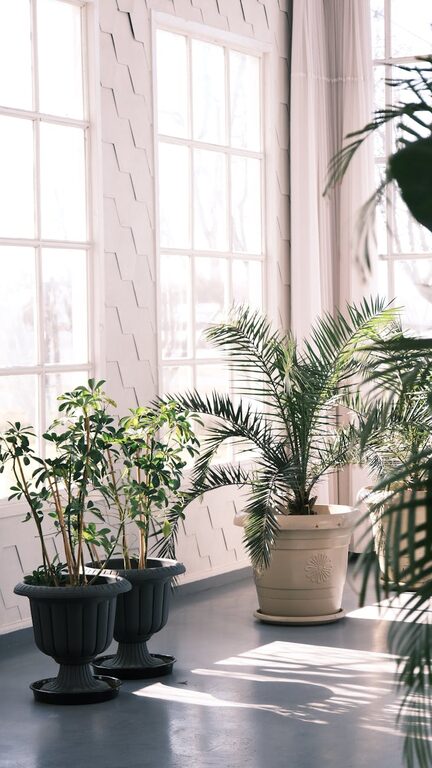
Creating a relaxing home environment is essential for maintaining good mental and physical well-being. Our homes should be a refuge from the stresses of daily life, offering comfort, calm, and a sense of peace. Fortunately, you don’t need to make major changes or investments to cultivate a soothing atmosphere. With a few mindful adjustments, anyone can create a space that supports relaxation and enhances overall happiness.
Why a Relaxing Home Environment Matters
A peaceful home setting encourages rest and reduces stress. When your surroundings feel calm and inviting, it becomes easier to unwind after a busy day. This, in turn, supports better sleep, improved mood, and even better focus when working or studying at home. Small changes can make a big difference in your quality of life.
1. Declutter and Organize Your Space
Clutter can cause feelings of overwhelm and anxiety. Clearing unnecessary items and organizing your belongings can instantly make your home feel more serene.
– Sort through your items and donate, recycle, or discard what you don’t need.
– Use storage baskets, drawers, or shelves to keep essentials neatly arranged.
– Keep surfaces clear to create a sense of openness.
A tidy space promotes mental clarity and invites calmness.
2. Choose Calming Colors
Color has a powerful effect on mood. Soft, muted tones tend to create a peaceful environment.
– Opt for colors like soft blues, gentle greens, warm neutrals, or lavender.
– Avoid overly bright or harsh colors in spaces meant for relaxation.
– Use these colors on walls, furniture, or decorative accessories.
This subtle color palette helps reduce stress and fosters a tranquil atmosphere.
3. Bring Nature Indoors
Natural elements connect us with the outdoors and promote relaxation.
– Add houseplants to your living areas; they improve air quality and add greenery.
– Use natural materials like wooden furniture, cotton or linen textiles, and stone decor.
– Place fresh flowers in vases for added color and freshness.
Being close to nature, even indoors, has calming effects on the mind.
4. Create Comfortable Zones
Designate specific areas in your home for relaxation and self-care.
– Set up a cozy reading nook with a comfortable chair, soft cushions, and a good lamp.
– Arrange seating with plush pillows and throws in your living room.
– Consider using floor cushions or rugs to add warmth.
Making these inviting spots encourages you to slow down and unwind.
5. Use Soft Lighting
Harsh lighting can contribute to tension and fatigue. Soft, adjustable lights create a soothing mood.
– Use lamps, string fairy lights, or candles instead of relying solely on overhead lighting.
– Consider smart bulbs to adjust brightness and color temperature based on time of day.
– Place lamps in corners or near seating areas for gentle illumination.
This type of lighting helps your body relax and prepares you for restful evenings.
6. Incorporate Calming Scents
Scent is closely connected to emotions and relaxation.
– Use essential oil diffusers with calming fragrances like lavender, chamomile, or eucalyptus.
– Light scented candles with natural ingredients.
– Use linen sprays or potpourri in common relaxation areas.
These aromas can create a subtle, comforting atmosphere that supports well-being.
7. Limit Noise and Create Soothing Sounds
Noise can disrupt relaxation, so managing sound levels is important.
– Use rugs, curtains, and soft furnishings to absorb unwanted noise.
– Consider noise-cancelling headphones when needed.
– Add gentle background sounds such as nature soundtracks, soft music, or white noise machines.
Controlling your indoor sound environment helps your mind stay calm.
8. Keep Technology in Balance
While technology is helpful, too much screen time can add stress.
– Decide on “tech-free” zones or times to disconnect and recharge.
– Use apps that remind you to take breaks or practice mindfulness.
– Store devices away when relaxing to reduce distractions.
Balancing technology helps create a peaceful state of mind.
9. Maintain Clean Air and Freshness
A fresh environment feels more inviting and boosts comfort.
– Open windows regularly to allow fresh air in.
– Use air purifiers if needed to reduce dust and allergens.
– Keep spaces dry and well-ventilated to prevent mold and odors.
Good air quality contributes positively to your health and mood.
10. Personalize Your Space with Meaningful Items
Adding personal touches can make your home feel comforting and supportive.
– Display photos, art, or souvenirs that bring positive memories.
– Incorporate items that reflect your hobbies or interests.
– Use colors, patterns, and objects that resonate with your personality.
Feeling connected to your space enhances your sense of well-being.
—
Final Thoughts
Creating a relaxing home environment doesn’t require a complete overhaul. Start with small, intentional changes and observe how your space—and mood—improve. A calm, inviting home sets the stage for better rest, reduced stress, and greater happiness. With these easy tips, you can enjoy a sanctuary that nurtures your well-being every day.