
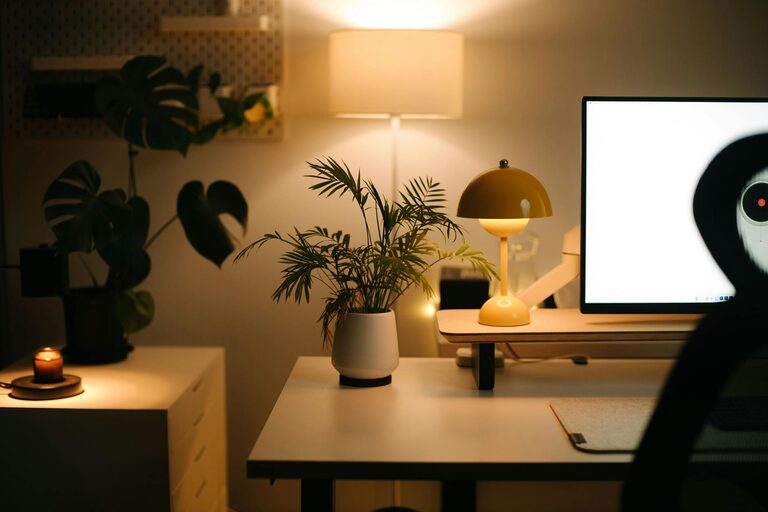
Creating a home office that feels both cozy and productive is key to making remote work or freelance projects enjoyable and efficient. A well-designed workspace not only helps you focus but also promotes comfort and well-being during long hours of work. If you’re looking to improve your home office environment, this guide offers practical tips to help you build a space where you can thrive.
Choose the Right Location
Selecting the best spot in your home for a home office is the first step. Ideally, pick a quiet area that receives good natural light and minimizes distractions. If possible, avoid spaces near loud appliances or heavy foot traffic.
– A spare room or nook with a door provides privacy.
– Near a window to benefit from daylight and fresh air.
– Away from your main living or sleeping area to create a mental separation between work and rest.
Invest in Comfortable Furniture
Comfort is crucial to maintaining focus and avoiding strain, especially if you spend many hours at your desk.
– Ergonomic chair: Look for chairs that support good posture, with adjustable height and lumbar support.
– Sturdy desk: Choose a desk with enough surface area for your computer, notes, and other essentials.
– Consider a sit-stand desk to alternate between sitting and standing throughout the day, which can boost energy.
Optimize Lighting
Proper lighting reduces eye strain and sets a pleasant workspace mood.
– Use a combination of natural light and task lighting.
– Desk lamps with adjustable brightness and color temperatures help reduce glare.
– Avoid positioning your screen directly opposite a window to prevent reflections.
Keep It Organized
An organized desk and surrounding area help clear your mind and increase efficiency.
– Use trays, shelves, or drawer organizers for stationery and documents.
– Keep only everyday essentials within arm’s reach.
– Declutter regularly to maintain a neat space.
– Label storage containers to find items easily.
Add Personal Touches
Personalizing your office makes it a place where you want to spend time.
– Hang artwork or photos that inspire you.
– Incorporate plants for a refreshing feel and to improve air quality.
– Choose colors that uplift your mood; soft blues and greens are calming, while yellows can enhance creativity.
Minimize Distractions
A workspace free from distractions allows deeper concentration.
– Set clear boundaries with family members or roommates during work hours.
– Use noise-cancelling headphones or play background music if it helps focus.
– Turn off unnecessary notifications on your phone and computer.
Use Technology Wisely
Equip your home office with efficient technology to support your tasks without clutter.
– A reliable, high-speed internet connection is essential.
– Wireless peripherals (keyboard, mouse) give flexibility and reduce wires.
– Invest in quality webcams and microphones if you attend many virtual meetings.
Incorporate Storage Solutions
Having adequate storage keeps your home office clutter-free and functional.
– Floating shelves save floor space and offer easy access to books or binders.
– Filing cabinets or boxes help store paperwork neatly.
– Multi-purpose furniture, like desks with built-in drawers, maximize space.
Maintain a Routine and Workspace Hygiene
Finally, cleaning and maintaining your workspace contribute to a positive environment.
– Set a daily or weekly schedule to tidy your desk and surroundings.
– Wipe down surfaces regularly, especially electronic devices.
– Avoid eating at your desk to prevent crumbs and spills.
—
By blending comfort, organization, and personal style, you can create a home office that welcomes you each morning and supports your best work. Remember that your workspace is a reflection of your needs, so feel free to adjust and improve it over time. With these tips, designing a cozy and productive home office is within anyone’s reach.