
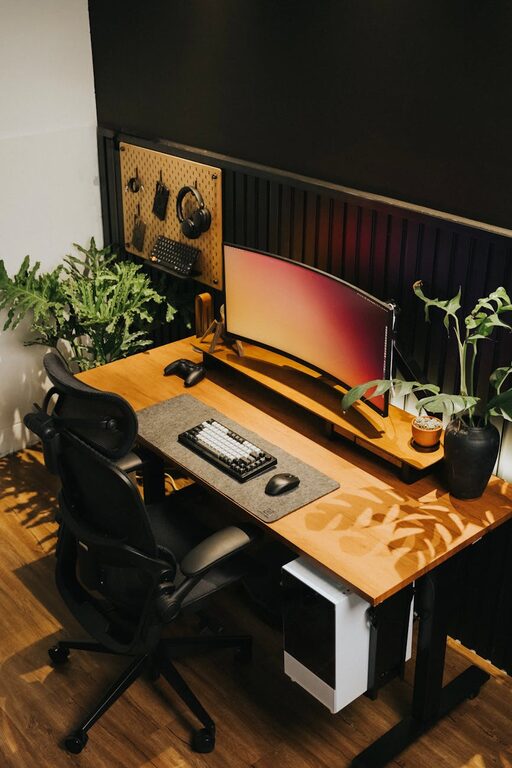
Creating a cozy and functional home workspace is key to maintaining productivity and comfort throughout your workday. Whether you are working remotely full-time or need a dedicated spot for occasional tasks, having the right setup can make all the difference. This guide offers practical tips to help you design a workspace that feels welcoming and supports your workflow.
Choose the Right Location
The first step in creating a home workspace is selecting an appropriate location. Ideally, this spot should be:
– Quiet and low-traffic: To minimize distractions and noise.
– Well-lit: Natural light is best, so look for a place near a window.
– Large enough: Enough space to fit your desk, chair, and any equipment.
If space is limited, consider underutilized corners, a spare bedroom, or even a section of a living room.
Invest in Comfortable Furniture
Comfort plays a big role in productivity. Here are some furniture tips:
– Ergonomic chair: Choose a chair that supports your back and allows for good posture.
– Adjustable desk: If possible, use a desk that can change height, allowing you to alternate between sitting and standing.
– Desk size: Ensure your desk is roomy enough for your computer, documents, and other materials without feeling cramped.
Adding a comfortable chair or small couch nearby can also provide a relaxing spot for breaks.
Optimize Lighting
Lighting impacts both mood and focus. To create a well-lit workspace:
– Use natural light: Position your desk near a window to take advantage of daylight.
– Add task lighting: A good desk lamp can reduce eye strain, especially during evening work.
– Reduce glare: Arrange your computer screen to avoid direct reflections from windows or lights.
Soft, warm lighting can make the space feel cozy, while bright white light can help maintain alertness.
Organize with Purpose
A clutter-free workspace supports clear thinking. Try these organization strategies:
– Storage solutions: Use shelves, drawers, or storage boxes to keep supplies neat and accessible.
– Cable management: Use clips or cable sleeves to keep wires tidy and prevent tangling.
– Desk organization: Use trays or organizers for pens, notebooks, and other items you use frequently.
Make a habit of tidying your workspace at the end of each day to start fresh tomorrow.
Personalize Your Space
Adding personal touches can make your workspace more inviting and inspiring:
– Decorate with plants: Small indoor plants improve air quality and add a calming natural vibe.
– Display meaningful objects: Photographs, artwork, or souvenirs can motivate you.
– Choose colors wisely: Soft, neutral colors promote calmness, while pops of bright color can energize you.
Just be careful not to overdecorate, which can create distractions.
Incorporate Technology Thoughtfully
Technology is essential but should be managed so it aids, not hinders, productivity:
– Reliable internet: Ensure strong and stable Wi-Fi for video calls and cloud work.
– Essential devices: Set up your computer, printer, and any tools you need within easy reach.
– Noise-cancelling headphones: Useful for focusing in noisy environments.
Regularly update your equipment and software to avoid disruptions.
Prioritize Comfort and Wellness
Taking care of your body during work improves performance and wellbeing:
– Keep water nearby: Hydration supports concentration and health.
– Use a footrest: Helps maintain good posture and reduce strain.
– Take breaks: Stand, stretch, or walk every hour to prevent stiffness.
– Control temperature: Use fans or heaters to maintain a comfortable climate.
Create a routine that includes regular breaks and movement.
Final Thoughts
Designing a cozy and functional home workspace is about balancing comfort and practicality. By choosing the right location, investing in ergonomic furniture, optimizing lighting, staying organized, and personalizing your environment, you can create a space that nurtures productivity and well-being. Remember to regularly assess your setup and make changes as your needs evolve.
With these tips, your home workspace can become a place where work feels less like a chore and more like a fulfilling part of your day.